Bedroom Furniture encompasses a range of design principles that prioritize comfort, ergonomics, and durable construction. Materials selection, joinery methods, and finish quality all influence sleep quality and long-term usability. Understanding how different bed frames, headboards, and storage solutions interact with room layout helps optimize space, acoustics, and temperature management for restful nights.
Key features of modern bedroom furniture include solid wood frames, low-vibration foundations, and coordinated systems that enhance longevity. Headboards, footboards, and rails should align with mattress types such as memory foam or organic mattresses to maintain balanced support. Compatibility with bedding accessories like pillows and sheets also plays a critical role in overall comfort.
In this category, ergonomic considerations emphasize spinal alignment, pressure relief, and ease of movement during sleep. Pillows and memory foam pillows are often selected to complement mattress firmness, while organic mattresses offer chemical-free options. Assessing weight capacity, edge support, and ease of maintenance helps inform durable, user-friendly choices for nightly comfort.
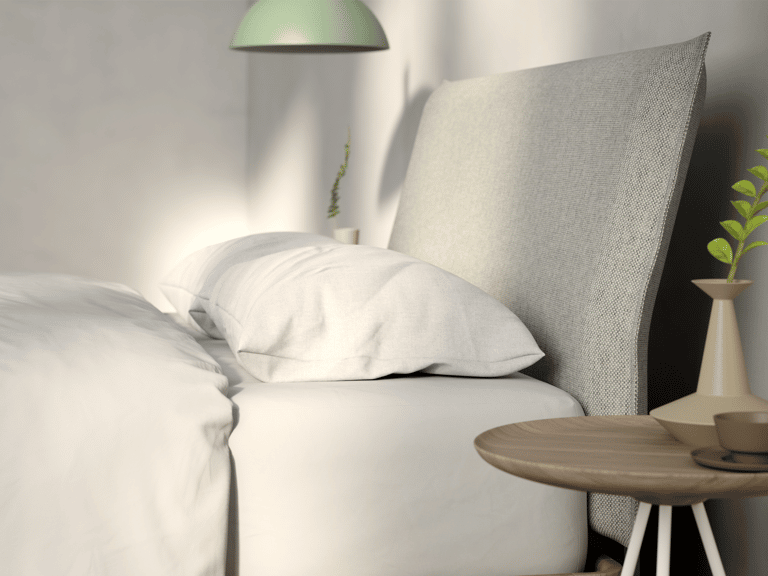
The Pillow Repose Headboard illustrates how functional design can integrate aesthetics with practicality. Its features may include integrated shelving, soft cushioning, and compatibility with standard bed frames, supporting reading and relaxation without compromising support. Such elements highlight how headboard design contributes to posture, reachability, and room organization.
When evaluating bedroom furniture, attention to moisture management, temperature regulation, and hypoallergenic materials matters. Bedding components like sheets, and the role of organic materials in mattresses, influence air quality and comfort. By examining product features, users can select pieces that support healthy sleep environments and cohesive room styling.
 Furniture