Foam mattresses are engineered to provide targeted support and drama-free pressure relief by combining varying densities of polyurethane foam or viscoelastic foam layers. In this category, foam mattresses emphasize contouring, motion isolation, and durability, making them suitable for diverse sleeping positions and body types. Common features include breathable cover fabrics, zoned support, and antimicrobial treatments that help maintain a comfortable sleep environment.
Understanding foam mattress construction helps illuminate their performance advantages. Memory foam layers adapt to body shape, while transition foams balance contouring with support. High-density foams enhance longevity and reduce sagging, and open-cell designs promote airflow to help regulate temperature during the night, contributing to a more stable sleep experience.
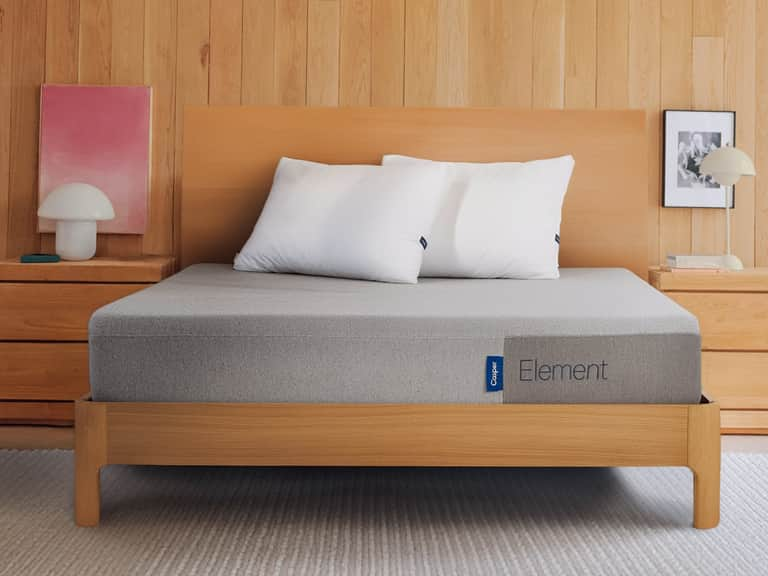
The Element Mattress exemplifies how foam-driven design translates into practical benefits. It typically combines a conforming comfort layer with a resilient base foam to deliver pressure relief at the shoulders and hips while maintaining overall spinal alignment. Functional benefits include reduced motion transfer and quiet, vibration-free sleep, ideal for couples.
Key considerations when evaluating foam mattresses include firmness levels, cooling technologies, and material certifications. Many models incorporate breathable covers, gel-infused foams, or graphite-infused foams to enhance heat dispersion. Compatibility with bed frames and ease of maintenance, such as removable covers, further influence long-term usability in a bedroom setup.
Within the broader realm of bedding, foam mattresses intersect with memory foam pillows and organic mattresses to form a cohesive sleep system. The interplay between foam comfort layers and supportive foundations supports posture, while paired textiles like sheets and bedding accessories contribute to overall sleep quality and hygiene.
 Mattresses